
patanjali yoga shala
ashtanga yoga daily mysore program in zürich, switzerland
ashtanga yoga for beginners in zürich
Embarking on the journey of Ashtanga yoga can be both exciting and challenging, especially for beginners. At our Mysore-style Ashtanga yoga program, we offer a supportive and personalized approach to help beginners lay a strong foundation for their practice.
Guided Individual Learning: Mysore class is the best way to learn Ashtanga yoga as a beginner.
In this format, beginners typically start with Surynamaskara A, discovering and exploring the three main foundational elements of Vinyasa, the heart and soul of the Ashtanga Yoga method. Developing and paying attention to these three core elements (breath, position, and focus points for resting the mind), and gradually coordinating and deepening their subtle integration is the essence that brings the magic of Ashtanga to life. As students become more comfortable with the practice, they gradually explore additional asanas and sequences, progressing at a pace that suits their individual needs.
In Mysore class, the teacher facilitates the ideal practice for each student, at a pace suitable and appropriate for each student according to their unique condition and abilities. All students receive one-on-one attention from the teacher, allowing for personalised care, and ensuring they feel comfortable and supported every step of the way.
Commitment to Practice: We encourage beginners to commit to their practice by attending at least three classes per week for the first month. This regularity allows beginners to establish a routine, build strength and flexibility, and deepen their understanding of the practice.
Observation and Preparation: While not required, new students are always welcome to observe a class before joining to get a sense of the Mysore-style practice and the supportive environment. This observation period helps beginners feel more comfortable and prepared when they begin their own practice.

frequently asked questions
I’ve never practiced Mysore-style before. Can I still join?
Yes. Many students join our Ashtanga Yoga Mysore program in Zürich with little or no experience in Mysore-style practice. You are not expected to know the sequence or fully understand how the class works before coming. The method is taught progressively and individually, step by step, according to your experience, needs and consistency of practice.
A wonderful way to experience the Mysore method and the atmosphere of the shala is through our Intro Challenge Week for Beginners (5 sessions in one week). If you decide to continue practicing with us afterwards, the full CHF 108 will be credited toward your first Full Monthly Pass or Half Monthly Pass.
Get in touch to arrange your first visit and we'll set you up with everything you need to begin.
-> arrange your first visit and check out pass options
_
What should I expect when entering the shala for the first time?
Entering a Mysore-style Ashtanga Yoga room for the first time can feel unfamiliar, especially if you are used to regular led yoga classes. When you walk into the shala, you will usually find a calm, quiet and focused atmosphere - practitioners moving through their own yoga practice at different stages, some just beginning, others already finishing.
Many first-time students wonder: Has the class already started? Am I late? Where is the teacher? What should I do?
No worries :) This is completely normal.
Mysore-style Ashtanga practice works differently from a traditional group class. There is no single moment when everyone starts and finishes together. Students arrive within the class window and practice individually under the guidance of the teacher.
When you arrive during the opening hours, you are not late. Brett or Kamil will welcome you, show you around the shala, explain how everything works, and then Brett will guide you step by step through your first practice. You do not need to know what to do before coming - that is what we are here for.
_
What actually happens in a Mysore-style class?
In a Mysore-style Ashtanga Yoga class, each student practices individually within a shared space. Personal guidance and instruction consist of occasional verbal cues and details, as well as hands-on adjustments from the teacher.
Rather than following a led group class together, students move through the sequence in their own time and at their own natural pace, continuously developing a deeper and more personal relationship with their yoga practice; progressively integrating breath, movement, posture and focus. Over time, this leads to greater confidence, steadiness and ease within the practice.
This creates a method of practice that is both structured and deeply personal.
_
What is the difference between a Led Class and a Mysore Class?
Both Mysore and Led Classes follow the Ashtanga Yoga method and the same traditional sequence, but the way the practice is taught is different.
In a Mysore Class, each student practices individually within the shared space. The teacher gives personal instruction according to the student's practice, experience and condition. The sequence is learned progressively, and each student develops their practice at their own pace.
In a Led Class, the teacher leads the entire group through the sequence together, using the traditional Sanskrit count. Everyone moves through the practice at the same pace, following the teacher's count and instructions.
For this reason, Mysore is the appropriate way to learn Ashtanga Yoga, especially for beginners. Led Classes are intended for students who already have an established understanding of the practice and can follow the sequence independently.
The two formats complement each other. Mysore is where you develop and refine your individual practice, while Led Class offers the experience of practicing the sequence together as a group.
I've never practiced Ashtanga before. Can I start with a Led Class?
No. If you have never practiced Ashtanga Yoga before, you cannot start with a Led Class. Beginners must first learn the practice through Mysore-style classes.
In a Led Class, the teacher guides the whole group through the sequence at a shared pace. There is no time to stop, explain, and adjust the practice individually, so students must already know the sequence and understand how to practice it independently.
This is not simply about memorising the postures. One of the fundamental aspects of Ashtanga Yoga is learning how to practice according to your own condition, capacity and experience — understanding the breath, movement and focus, and knowing how far to take the practice and when to stop.
Mysore-style practice is where this understanding is developed through your own experience and individual guidance from the teacher. Once a student has established their practice and understands the method, they can join the Led Class.
-
Do I need to know the entire sequence before starting?
Not at all. You do not need to memorize the Ashtanga Yoga Primary Series before joining. Some familiarity with Surya Namaskara and a few standing postures can be helpful, but it is absolutely not required. The practice is learned gradually over time through regular attendance, personal guidance and consistent practice.
-
How long is the practice?
Mysore-style practice is self-paced, so there is no fixed class length. Beginners usually practice for around 30–45 minutes at first, and the practice naturally grows over time as strength, familiarity and stamina increase.
The morning Mysore class window is intentionally spacious and flexible. In Mysore-style Ashtanga Yoga practice, each student moves at their own pace and according to their own schedule. You are welcome to arrive at any time during the morning class window, with the last possible entry at 9:00am.
_
What should I bring to practice?
Comfortable clothing is all you really need. We have yoga mats available at the shala if you do not have your own. Some students eventually prefer to bring a personal mat and store it at the studio, but both options are completely fine.It’s also good to read our Mysore etiquette guide - a short introduction to the system, recommended practices in the shala, and personal hygiene guidelines.
_
What time should I arrive for my first class?
For the first few days, we recommend arriving at the beginning of the morning session (around 06:30, or a few minutes earlier) so there is enough time to settle in, meet the teacher and receive guidance. After that, you are welcome to arrive at a time that fits your schedule within the class window.
_
I used to practice yoga years ago and I’m starting again. Is that okay?
Of course. Many students return to Ashtanga Yoga practice after months or even years away. We simply begin from where you are now and rebuild the practice gradually and steadily. Previous experience is always valuable, even after a long pause.
Many beginners in Zurich begin or return to yoga through Mysore-style practice, gradually building confidence, strength and familiarity with the sequence over time.
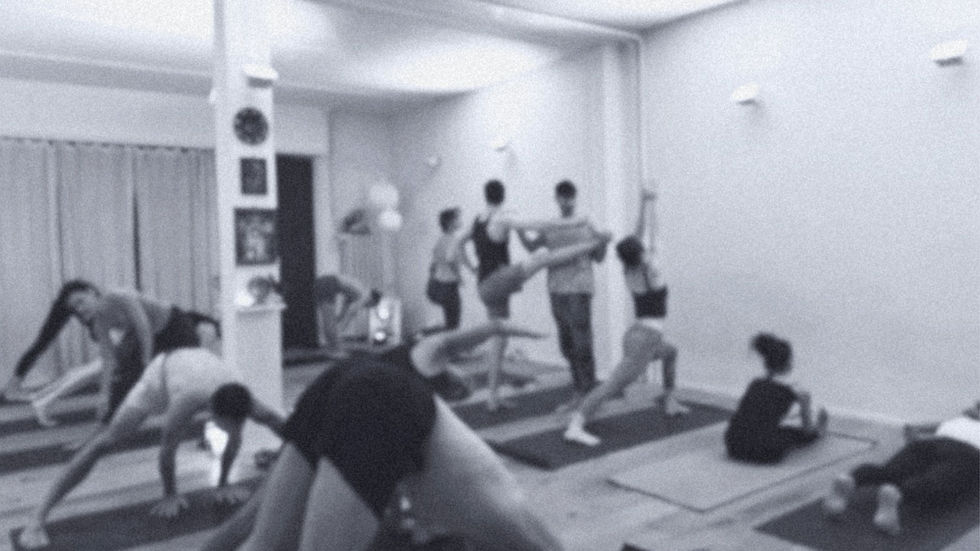
To honor the tradition, and create a conducive environment for practice, please adhere to the following etiquette guidelines:
-
Patanjali Yoga Shala is dedicated to the practice of Ashtanga yoga as taught by R. Sharath Jois of Mysore, South India. We kindly request that you refrain from engaging in any non-Ashtanga practices while in our shala.
-
Arrival and time management: Please arrive on time for class to respect the schedule and minimize disruptions for others.
-
Trust the teacher's guidance: allow them to determine your progression in the practice. Avoid requesting additional postures. Trust that the teacher is monitoring your progress and will introduce new postures when appropriate.
-
Maintain concentration and Drishti (gaze points): Focus on your own practice. Avoid distractions and respect the privacy of others.
-
Communication with the teacher: In a Mysore class, the teacher provides hands-on adjustments to students, aiming to refine alignment, expand awareness, and guide them energetically. These adjustments serve as pathways to deeper understanding and progress in the practice, beyond mere physical correction. If an adjustment feels uncomfortable, it's crucial to communicate with the teacher promptly, ensuring adjustments remain supportive and beneficial. Similarly, if you require help with an asana, don't hesitate to seek assistance. However in general, it’s good not to become over reliant on adjustments from the teacher, or wait too long for an adjustment, as this helps sustain the flow and energy of the practice. In fact, as students advance and grow more independent in their practice, their need and desire for adjustments usually decreases, as they often begin to find them more of a distraction.
-
Embrace your present condition: by minimizing pre-practice stretching and simply showing up as you are. Part of the maturation of our yoga practice is cultivating adaptation, recognizing and respecting the daily fluctuations in our mental, physical, and emotional well-being. Whether we're tired, distracted, or lacking motivation, acknowledging these states allows us to strengthen our bond with our practice and ourselves. Trust in the practice's ability to meet you wherever you are on any given day, inviting us to deepen our relationship with our practice and ourselves.
-
Maintain personal hygiene: Prioritize personal cleanliness by arriving with a clean body, attire, and yoga mat. This ensures a hygienic environment for yourself and others.
-
Listen to your body: Respect your body's limitations and practice with mindfulness and compassion. Avoid pushing beyond your capacity to prevent injury and maintain a sustainable practice.
-
Keep the practice area around your mat clean. This ensures a clear and safe environment for all practitioners - and the teacher.
-
Stay hydrated mindfully: Refrain from drinking water or taking water bottles with you into practice, except for if you are pregnant or nursing. In Ashtanga yoga, the practice is designed to generate internal heat and purify the body. Drinking water during practice can disrupt this process and may lead to discomfort or injury. It is important to stay hydrated throughout the day and replenish fluids after practice.
Thank you for your dedication to your practice and your commitment to the principles of yoga. By adhering to these etiquette guidelines, you contribute to the sanctity of the Mysore practice space and uphold the spirit of Ashtanga yoga.